

The Great Wall of China: An Ancient Marvel of Human Engineering
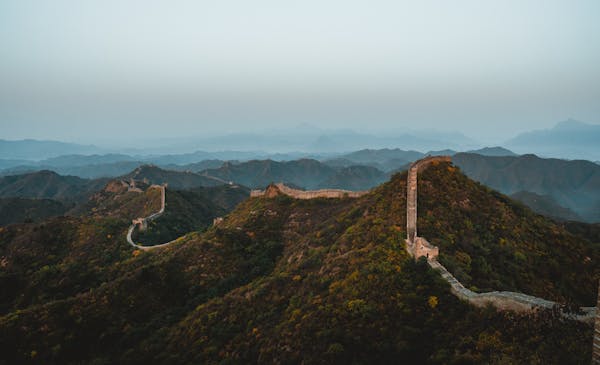
The Great Wall of China is a world-renowned architectural wonder and a testament to the determination and ingenuity of the Chinese people. Spanning thousands of kilometers across northern China, it has a rich history, an unparalleled grandeur, and several compelling reasons why travelers should make it a priority to visit.
History:
The construction of the Great Wall of China spans over two millennia, with different dynasties and rulers contributing to its expansion and refinement. The wall's initial construction began during the 7th century BC, but it was under the rule of China's first emperor, Qin Shi Huang, that a significant portion was connected, forming a continuous defense against nomadic invasions. Over the centuries, the wall was repaired, extended, and modified by various dynasties, most notably the Ming Dynasty during the 14th to 17th centuries.
The primary purpose of the Great Wall was to protect China from invasions by neighboring tribes and armies, especially the Mongols and the Huns. It served as a formidable line of defense, and watchtowers and fortifications were strategically placed along its length. The wall is not a single continuous structure but rather a series of walls and fortifications that together form an extensive network.
Greatness:
The Great Wall of China is a marvel for several reasons:
Engineering Feat: The wall's construction involved the use of various materials, including stone, brick, tamped earth, and wood, depending on the region and the era. It was constructed on rugged terrains, including steep mountain ranges, and its sheer length and complexity showcase remarkable engineering skills.
Cultural Significance: The Great Wall embodies the determination and unity of the Chinese people. It is not only a physical barrier but a symbol of China's historical struggle to protect its sovereignty.
Spectacular Landscapes: The wall snakes through diverse landscapes, from arid deserts to lush mountains, offering breathtaking vistas of the Chinese countryside. Travelers can explore not only the wall itself but also the scenic beauty surrounding it.
Historical Relics: Many sections of the wall have been well-preserved and allow visitors to step back in time, offering insight into the various dynasties that contributed to its construction and maintenance.
Cultural Experiences: Visiting the Great Wall provides the opportunity to engage with Chinese culture, history, and the enduring legacy of this iconic monument.
Why Travelers Should Visit:
Historical Exploration: The Great Wall is a living historical artifact. Travelers can walk along its impressive battlements and explore ancient watchtowers, gaining a firsthand understanding of the wall's role in Chinese history.
Spectacular Scenery: The Great Wall is set against diverse and stunning natural landscapes. Whether you're hiking through the wild sections or enjoying panoramic views from more accessible areas, the scenery is sure to leave a lasting impression.
Cultural Immersion: The Great Wall is deeply embedded in Chinese culture and history. A visit allows travelers to immerse themselves in the rich tapestry of China's past and present.
Outdoor Activities: Hiking along the wall, camping, and enjoying various adventure sports on and around the wall provide opportunities for active and adventurous travelers to explore the region.
Photography: The Great Wall offers countless opportunities for stunning photography, capturing both the grandeur of the wall and the beauty of the landscapes it traverses.
In conclusion, the Great Wall of China stands as an enduring symbol of Chinese history, culture, and resilience. Travelers should make it a priority to visit this architectural marvel not only to witness its grandeur and historical significance but also to be inspired by the enduring legacy of the Chinese people and their remarkable engineering achievements.


No comments:
Post a Comment